Rome requires at least three days, four if possible, and the most costly mistake is organizing your days by monument rather than by neighbourhood. From Montreal, a direct flight connects Trudeau to Fiumicino, with a flight time of roughly seven and a half hours and a six-hour time difference that makes the first two days largely unproductive. Two reservations are essential and must be made weeks in advance: the Vatican Museums and the Colosseum. Everything else can be improvised. The best time to visit runs from April to June, then September to October.
In this article you will learn how to structure your stay, what is genuinely worth the detour, what is overrated, and what a traveller from Quebec needs to plan before leaving.
Why Rome
Rome is not an open-air museum. It is a capital of nearly three million people where you pass an ancient temple between a pharmacy and a bus stop. This permanent layering of the everyday and the monumental is what sets it apart from Florence or Venice, which are more beautiful but less alive.
What Rome is not must be said plainly. Rome is not a restful city. It is loud, dense, hot, and its traffic is chaotic. Couples seeking gentleness and quiet will be happier in Tuscany. Rome must be earned.
It is also the obvious anchor point for any Catholic trip to Italy, with the four major basilicas and the Vatican. That subject is covered in the Catholic travel guide to Italy.
Getting there from Quebec
The flight. A direct flight connects Montreal-Trudeau to Rome's Leonardo da Vinci–Fiumicino Airport. The shortest flight time is around seven and a half hours. Air Transat, Air Canada, and Porter all serve the route, but availability varies by season and by year — verify before building your itinerary.
Most departures to Italy are in the evening. You arrive the following morning, which is practical for logistics but means your first day is spent in a state of fatigue.
From the airport to the centre. The Leonardo Express train connects Fiumicino to Roma Termini in about thirty minutes. It is the simplest and most predictable option. Taxis exist with a fixed rate from the airport to the historic centre, but they are subject to Roman traffic.
The time difference. Six hours ahead of Quebec. In practice, your body thinks it is three in the morning when you arrive at nine. Do not schedule the Vatican Museums on the day you land — you will walk through them without seeing anything.
When to go
| Period | Weather | Crowds | Note for Quebec travellers |
|---|---|---|---|
| March, spring break | Cool, variable | Moderate | Good value, but shorter days |
| April to June | Mild, ideal | High | The best window |
| July and August | Oppressive heat | Peak | Avoid. Rome is an oven, and Quebec's construction holiday falls at the worst possible time |
| September and October | Mild, beautiful light | Declining | Excellent compromise |
| November to March | Cool, rainy | Low | Quiet and affordable, except Christmas and Easter |
The point no one tells Quebec travellers: the construction holiday, in late July and early August, coincides exactly with the worst time to be in Rome. Heat, maximum crowds, and parts of the city closing around August 15.
If your schedule forces you to travel during that period, know it in advance and adapt: early morning visits, afternoon rest, evening outings.
What to see, and what is overrated
Absolutely worth it
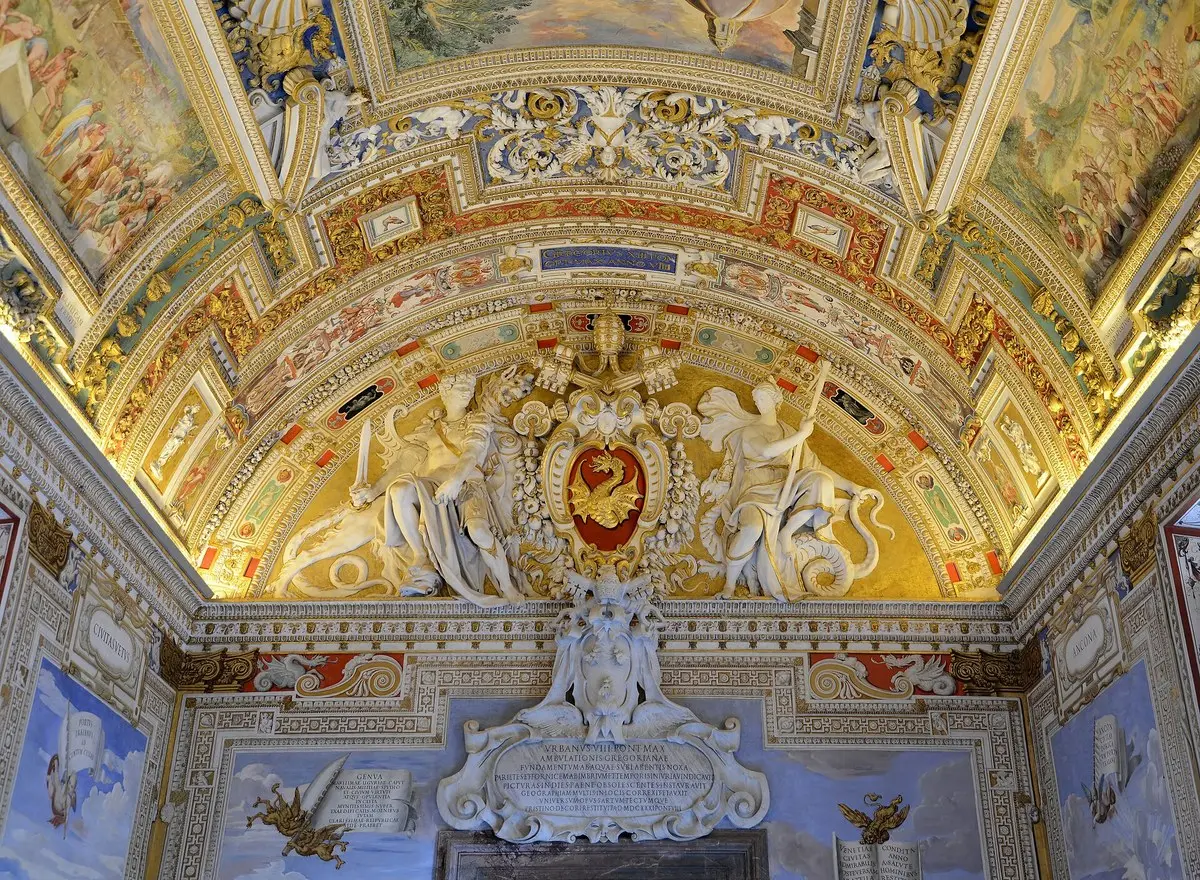
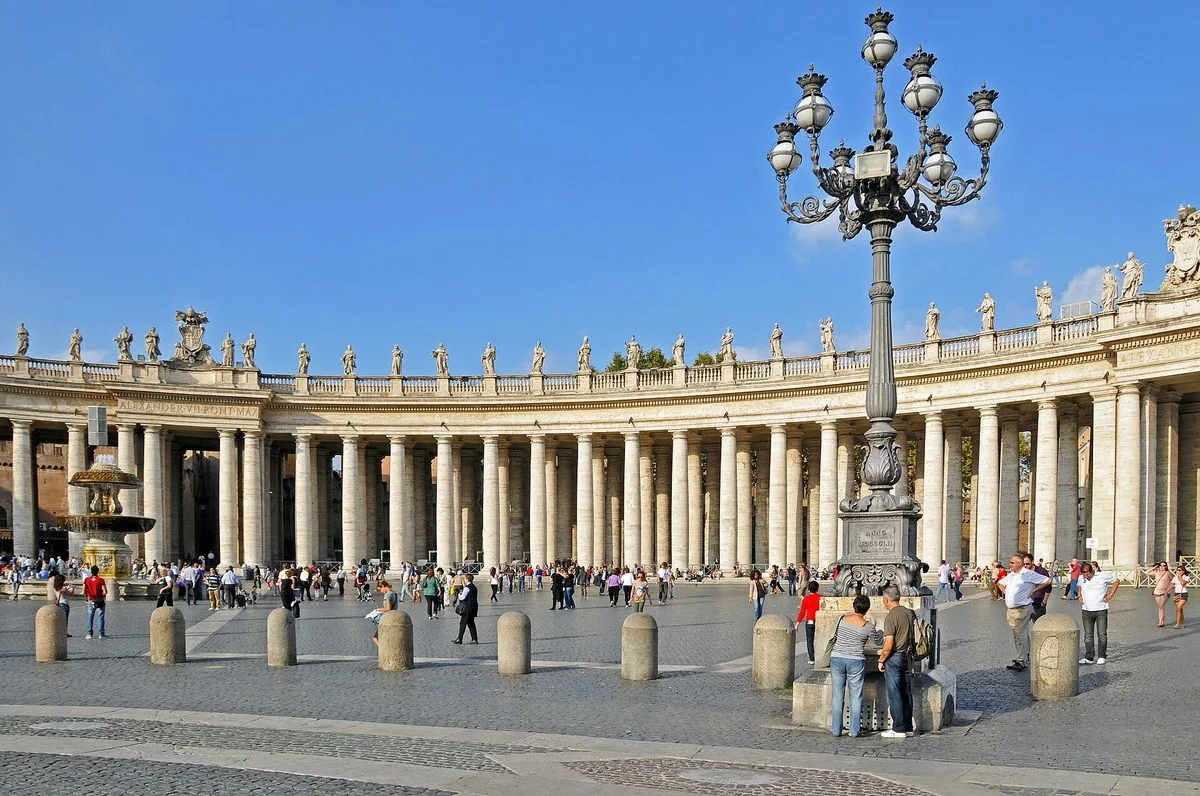
- The Vatican, museums and St. Peter's Basilica, a full day
- The Colosseum, the Roman Forum, and the Palatine Hill, half a day to a full day
- The Pantheon, the best-preserved ancient building in the city
- Trastevere, the most pleasant neighbourhood for wandering and eating
- San Clemente, a church built on three levels spanning from the 12th century down to a Roman temple
- The Janiculum at sunset, the finest view over the city and surprisingly uncrowded
What often disappoints
- The Trevi Fountain. Magnificent, but packed at all hours. It can only be properly experienced before eight in the morning.
- The Spanish Steps. A staircase. Nothing more.
- The Mouth of Truth. A forty-minute queue for a photograph.
The hidden treasure. Three churches in the historic centre house Caravaggio paintings, with free admission. San Luigi dei Francesi, Santa Maria del Popolo, and Sant'Agostino. Bring one-euro coins for the lighting timers, or you will be looking at a black canvas. The details are covered in the Catholic heritage of Rome.
How many days
Three days. The minimum viable. One zone per day: the Vatican, ancient Rome, the historic centre. A complete day-by-day outline is provided in the Rome 3-day itinerary.
Four to five days. The right format. You add the major basilicas, the Borghese Gallery or the catacombs, and above all some unscheduled time.
One week. You can add ancient Ostia, or a day trip to Tivoli.
Do not compress the trip into two days. You will spend your stay rushing, and Rome punishes haste severely.
Getting around
The historic centre is explored on foot, and that is the only sensible way. The metro has few lines and serves the centre poorly, precisely because every tunnelling project runs into ancient remains.
The metro is useful for two journeys: Line A to the Vatican, station Ottaviano-San Pietro, and Line B to the Colosseum, station Colosseo.
The car is to be avoided entirely. The centre is a Limited Traffic Zone, the ZTL, with automatic fines enforced by camera. Parking is scarce and expensive. There is no reason to rent a car for Rome.
Buses work, but the tourist lines — notably the 64 — are well known for pickpockets. Keep your belongings in front of you.
The budget
Rome sits in the higher end of the Italian average, without reaching Venetian extremes.
- Accommodation is the dominant expense. Staying in the historic centre is expensive but saves time and energy. The Prati neighbourhood, near the Vatican, offers a good compromise.
- Food remains affordable as soon as you move two or three streets away from the main squares. Terraces with a view of a monument cost double.
- Paid sites add up quickly: the Vatican, the Colosseum, the Borghese Gallery. Churches, on the other hand, are almost all free, and they often contain more art than a museum.
- Currency. You pay in euros. A credit card with no foreign transaction fees pays for itself over the course of a week.
Getting married in Rome
Rome is a credible Catholic wedding destination, but it is demanding.
The most sought-after Roman churches are booked far in advance, and the agreement of the priest at the chosen church is essential before any other reservation. Booking a reception venue before securing that agreement is the most expensive mistake you can make.
The canonical file is not prepared in Italy. It is assembled in your home parish, passes through your diocese's chancery, and then through the curia of the Roman diocese. Allow at least twelve months between the first contact and the ceremony.
A Quebec couple must know that Canada does not issue the European equivalent of the nulla osta, and that legalisation through the Italian prefecture is still required. The process runs through the Italian consulate.
The complete steps are covered in getting married in a Catholic church in Italy and the required documents in documents for a religious marriage abroad.
If you have any doubts about your situation, get in touch to clarify things before committing to any expenses.
Mistakes to avoid
- Booking the Vatican and Colosseum on-site. Two to three hours in line during high season.
- Organizing days by monument. You will cross the Tiber three times a day.
- Renting a car. Limited Traffic Zone, automatic fines.
- Eating near the main squares. Touts, menu photos, dismal quality.
- Wearing thin-soled shoes. The Roman cobblestone, the sampietrino, is uneven and slippery.
- Forgetting the dress code. Shoulders and knees covered in all churches. Entry may be refused.
- Buying bottled water. The public fountains, the nasoni, provide clean, cold drinking water throughout the city.
Conclusion
Rome works if you accept that you will not see everything. One zone per day, two reservations made in advance, the heavy visits done in the morning.
The most costly mistake is not missing a monument — it is spending three days running. Remove one site from your list and sit for an hour in a square. That is often what you remember.
To continue into other regions, see Tuscany and Venice. For all the options, destinations.
For support in preparing a trip or a celebration, get in touch.
Frequently asked questions
- How many days do you need to visit Rome?
- Three days is the minimum viable, four to five the right format. Three days allow you to cover the Vatican, ancient Rome, and the historic centre — and no more. Two days means rushing and ruins the trip. A week lets you add the major basilicas, the catacombs, and a day trip.
- Is there a direct flight from Montreal to Rome?
- Yes, a direct flight connects Montreal-Trudeau to Rome Fiumicino, with a flight time of roughly seven and a half hours. Several carriers serve the route, but availability varies by season and by year. Verify before building your itinerary, especially outside the summer season.
- Should you rent a car in Rome?
- No, never. The historic centre is a Limited Traffic Zone with automatic camera-enforced fines. Parking is scarce and expensive. The city is best explored on foot, and the metro covers the two useful journeys: the Vatican and the Colosseum. A car is only useful for leaving Rome.
- What is the best time to see the Trevi Fountain?
- Before eight in the morning. After nine, the crowd is dense and stays that way until late at night. The fountain is free and accessible at all times. Going early is the only way to see it under decent conditions, and the morning light is also more favourable.